 Back to Blog Home
How to choose a database SQL vs NoSQL
By
Cloud Product Team • 5 min read •May 14, 2026


Overview
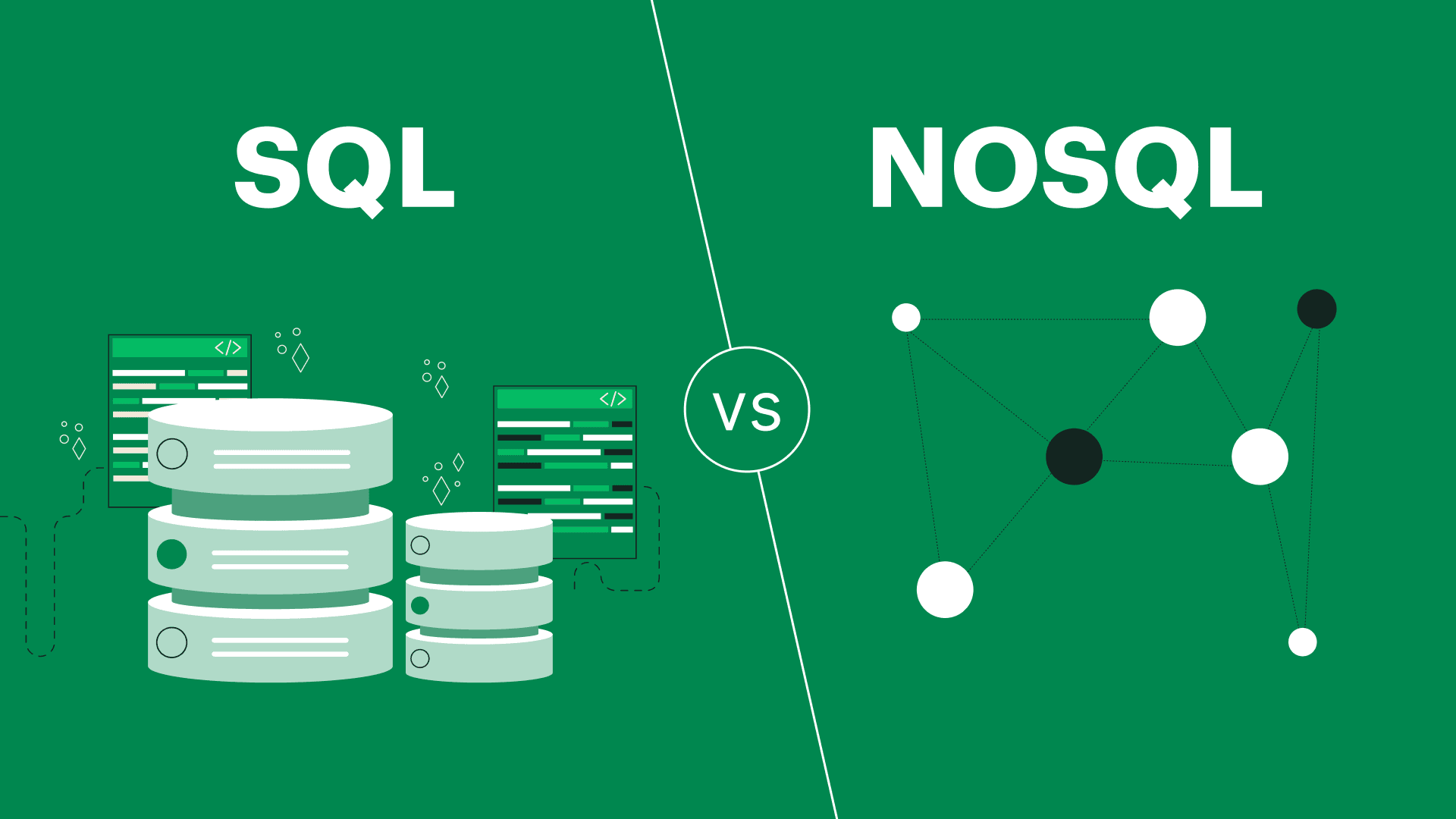
As organizations modernize their data platforms, choosing between SQL and NoSQL databases is no longer just a technical decision it’s a strategic one. In a cloud and sovereign DBaaS environment, the right database choice directly impacts performance, scalability, compliance, and long-term agility.
SQL Databases:
Strength: Structured, Consistent, and Transactional
Relational databases such as PostgreSQL and MySQL remain the backbone of mission-critical systems. They are designed for structured data, strong consistency, and complex querying.
In a DBaaS model, SQL databases provide automated backups, high availability, and managed scaling making them ideal for:
• Core business systems (ERP, CRM, financial platforms)
• Applications requiring ACID compliance and data integrity
• Workloads with complex joins and relational dependencies
• Environments with strict regulatory and audit requirements
For sovereign cloud deployments, SQL databases are often preferred where data accuracy, governance, and residency controls are non-negotiable.
NoSQL Databases:
Strength: Flexible, Scalable, and High-Performance
NoSQL databases such as MongoDB and Redis are built for modern, distributed applications that demand flexibility and speed.
They support dynamic schemas and scale horizontally, making them well-suited for:
• Real-time applications and high-throughput workloads
• Caching, session management, and event-driven architectures
• Rapidly evolving data models (JSON, key-value, document)
• Large-scale distributed systems and microservices
Within a managed DBaaS platform, NoSQL databases deliver auto-scaling, low-latency performance, and seamless distribution, which are critical for digital-native applications.
Key Decision Factors for Enterprises
When operating in cloud or sovereign environments, the SQL vs NoSQL decision should be guided by the following:
SQL:
- Data Structure: Structured and Fixed schemas. Tables with Rows and Columns.
- Consistency: For strict consistency and transactional accuracy are essential.
- Scalability: Vertically scalable (upgrading hardware).
- Regulatory: Better with compliance-heavy workloads.
- Use Cases: Transactional Systems like Banking, ERP … etc.
- Example: PostgreSQL, MySQL, MS SQL Server, Oracle.
No SQL:
- Data Structure: Document-based, key-value, column-family, or graph-based. Can support dynamic and evolving data models.
- Consistency: High-speed, eventually consistent systems.
- Scalability: Horizontally scalable (adding more servers).
- Regulatory: optimized for localized, high-performance processing.
- Use Cases: Ideal for Big data, data lakes which deals with structured, semi structures and unstructured data.
- Example: MongoDB, Cassandra, CouchDB, Neo4j.
The Modern Approach: Polyglot Persistence
In reality, most enterprise architectures no longer choose one over the other. Instead, they adopt a polyglot persistence strategy, leveraging both SQL and NoSQL databases within the same ecosystem.
For example:
• SQL for transactional systems and reporting .
• Redis for caching and real-time performance .
• MongoDB for flexible user or application data .
A DBaaS platform enables this approach by providing a unified, managed environment for multiple database engines with consistent governance, security, and operational controls.
SQL vs NoSQL: Which is Faster?
• SQL Databases: Generally, SQL databases perform well for complex queries, structured data, and systems requiring data consistency and integrity. However, as the volume of data grows, they may struggle with scalability and may require significant infrastructure upgrades.
• NoSQL Databases: NoSQL databases excel in scenarios that demand high performance and scalability. Because of their horizontal scalability (accommodating more servers), they handle large amounts of data and high-velocity workloads better. For instance, MongoDB or Cassandra is a common choice when dealing with big data or applications with high traffic.
When to Choose SQL?
SQL databases are well-suited for use cases where:
• Data consistency and transactional integrity are critical (e.g., banking systems, customer relationship management).
• The application needs a well-defined schema and structured data.
• Complex queries and relational data are involved.
• Applications requiring multi-row transactions (such as inventory management) benefit from SQL’s robust features.
When to Choose NoSQL?
NoSQL databases are a better choice when:
• You need to handle large, unstructured data sets, like social media data or logs.
• The application requires horizontal scalability to accommodate high traffic and big data.
• There is a need for real-time data processing and flexible data models (e.g., a content management system).
• You are dealing with applications requiring frequent changes in data structures.
Final Thoughts
Choosing between SQL and NoSQL is not a binary decision it’s an architectural choice driven by workload requirements, scalability needs, and regulatory considerations.
In a modern cloud landscape, the goal is not to standardize on one database, but to enable the right database for the right purpose securely, efficiently, and at scale.